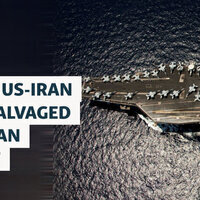


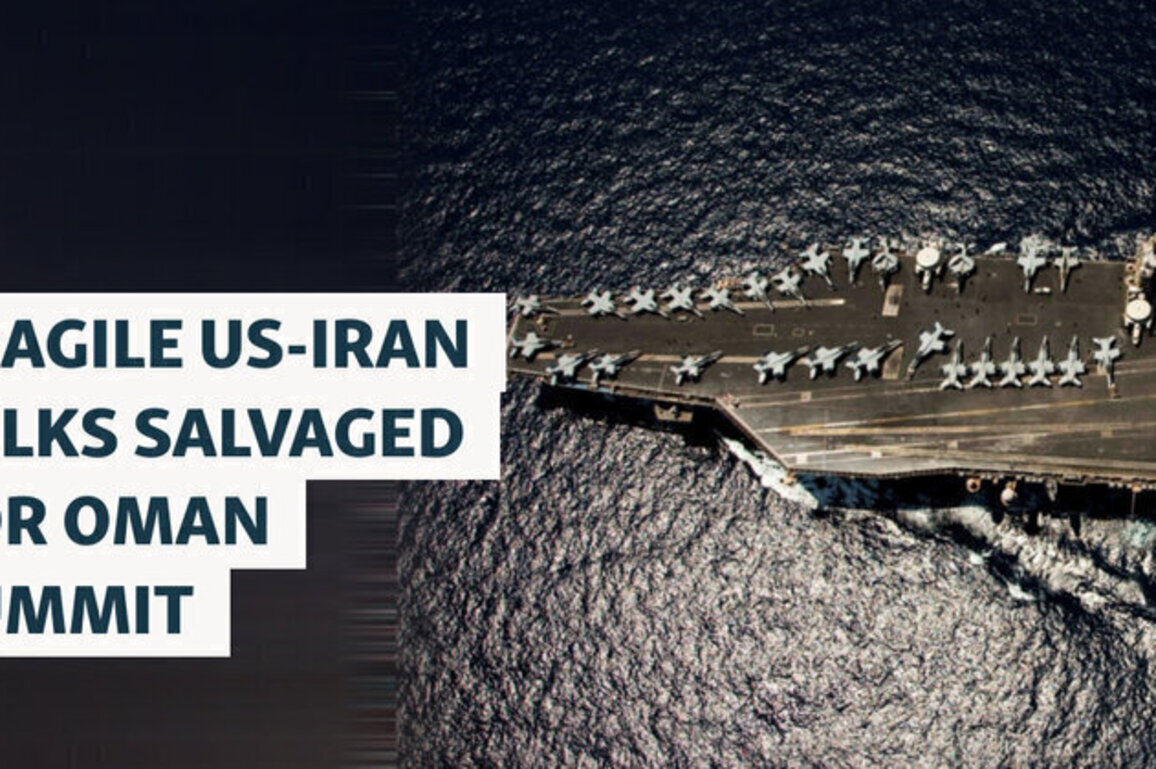
In a dramatic reversal that has kept global markets and regional allies on edge, the United States and Iran have confirmed they will move forward with high-stakes negotiations in Muscat on February 6.
The talks, which appeared to have collapsed late on February 4, represent what is largely seen as a last-chance effort to avert a major military escalation in the Persian Gulf.
SEE ALSO:
The Key Sticking Points To A US-Iran Deal Aimed At Averting War
The path to the Omani capital was anything but smooth. After a dispute over the venue and the agenda -- with Tehran pushing for a bilateral meeting in Oman and Washington initially insisting on a multilateral summit involving regional powers in Turkey -- the Trump administration briefly called off the engagement.
However, following a flurry of "high-level" messages from at least nine regional partners, including Saudi Arabia and Egypt, the White House relented. While the United States agreed to the change of scenery to Muscat, senior officials emphasized that the change in location does not signal a change in resolve.
Iran Foreign Minister Abbas Araqchi wrote on February 4 that "nuclear talks" were set to be held in Muscat at 10 a.m. local time. A White House official later confirmed to RFE/RL that the meeting would go ahead.
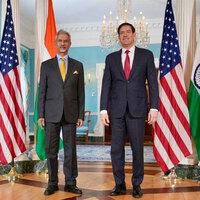
Secretary of State Marco Rubio, speaking from Washington on February 4, made it clear that the United States is not interested in a narrow "nuclear-only" conversation. Rubio confirmed that while the White House is prepared to engage, it has set a high bar for what constitutes a successful meeting.
"In order for talks to actually lead to something meaningful, they will have to include the range of their ballistic missiles, their sponsorship of terror organizations, and the treatment of their own people," Rubio told reporters.
Rubio also drew a sharp line between the Iranian leadership and the public, particularly in the wake of last month's bloody crackdown on nationwide, antiestablishment protests.
"The leadership of Iran at the clerical level does not reflect the people of Iran," he said. "I know of no other country where theres a bigger difference between the people that lead the country and the people who live there."
'Weird' Country To Talk To
US Vice President JD Vance echoed Rubios skepticism, highlighting the inherent difficulty of negotiating with a country where the ultimate decision-maker remains behind a curtain of clerical authority.
In a February 4 interview on The Megyn Kelly Show, Vance described the diplomatic dance as "absurd," pointing out that unlike other world powers, the United States cannot simply call the person truly in charge.
"Its a very weird country to conduct diplomacy with when you cant even talk to the person whos in charge," Vance said, referring to Supreme Leader Ayatollah Ali Khamenei.