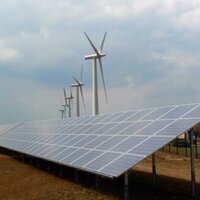


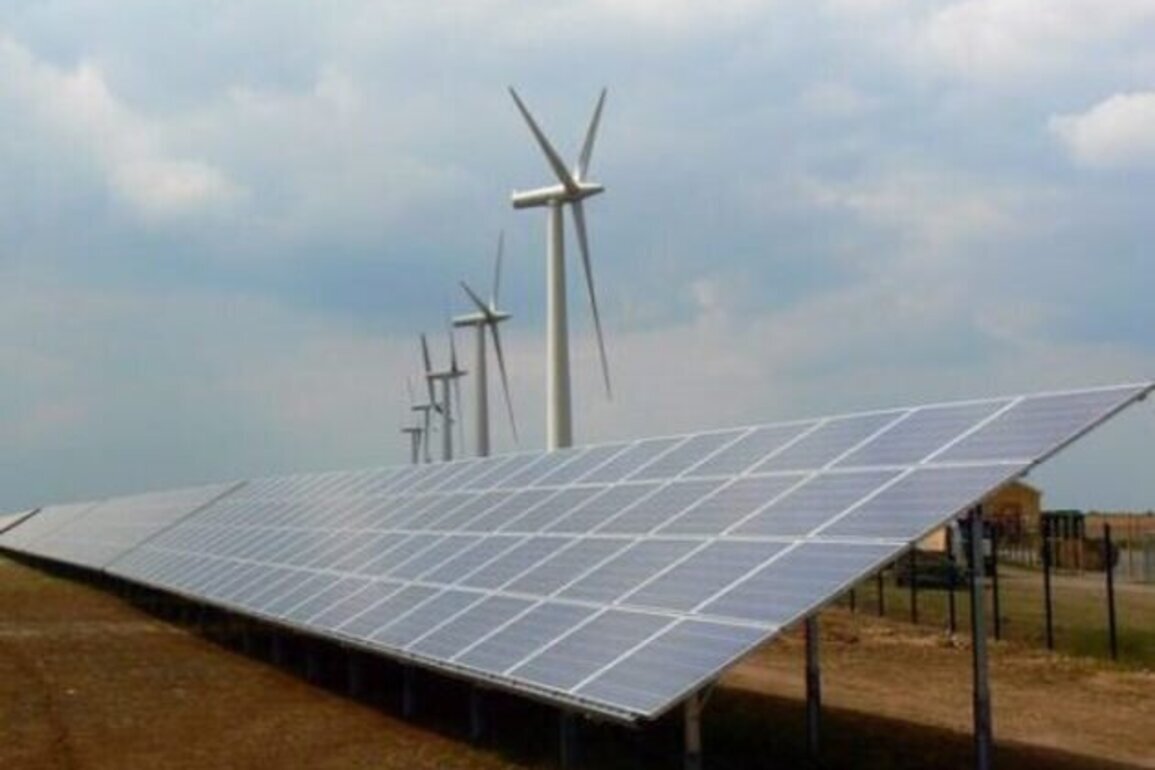
Twelve solar and two wind projects totalling 1,315 megawatts of new generating capacity are the winners of Ontario's latest competitive procurement for new electricity supply, set to deliver enough power to run 350,000 average homes.
All the projects [pdf] have at least 50% Indigenous ownership, and they all received strong support from local municipalities, the provincial government said in an April 9 release.
An independent analyst said the procurement took advantage of the "huge drop" in the cost of wind and solar projects over the last decade that made them competitive with natural gas.
"New contracts for wind and solar energy projects announced today demonstrate that, when the playing field is level, renewable energy wins," Gurprasad Gurumurthy, senior analyst in the Pembina Institute's electricity program, said in a release. "It's another signal that the shift to renewable electricity-which we're seeing worldwide-is being driven by affordability above all else."
"Today's announcement shows that Ontario is taking decisive action to secure our energy future," Sam Oosterhoff, the province's associate minister of energy-intensive industries, said in the provincial release. "By bringing new generation online through a transparent, competitive process, we are not only keeping electricity reliable and affordable for families and businesses but also creating good-paying jobs and supporting Indigenous communities as true partners in growth."
But while the list of successful projects was indirectly linked from the published announcement, the province's up-front PR primarily touted the 16,000 MW of new nuclear generation it hopes to build at three different locations in southern Ontario, including the world's biggest nuclear plant at Wesleyville and four small modular reactors (SMRs) at the Darlington site east of Toronto.
The detailed announcement included:
Solar projects at Barwick, Chatsworth, Fort Frances, Hanover, Iron Bridge, Massey, North Cobalt, Perth, Picton, Searchmont, and Timmons, ranging from nine to 200 megawatts in size;
Wind projects at Nipigon and Thunder Bay, each with 200 megawatts of installed capacity.
"Today's announcement reinforces that our competitive approach to procurement is delivering cost-effective results as we expand Ontario's electricity system to meet future demand," said Lesley Gallinger, president and CEO of the Independent Electricity System Operator (IESO), which managed the bids under its Long-Term 2 (LT2) RFP process. "Through the first LT2 energy window, we met our procurement target by leveraging robust competition to secure renewable supply at lower prices for ratepayers. These 14 projects will position the grid to support economic growth across Ontario into the 2030s and beyond."
In its release, the Pembina Institute praised the Ontario government and the IESO for running a "technology-agnostic process that has ultimately allowed Ontarians to benefit from the lowest-cost electricity."
"This is a very good time for Ontario to start building wind and solar again, knowing that project costs for these generation types have plummeted in the last 15 years, making them cheaper than any other form of new electricity generation," Gurumurthy said. "In today's world, renewable energy also means energy security-once built, the fuel is free and you can't apply tariffs to the wind or the sun, or block access to that energy."
Source: The Energy Mix