


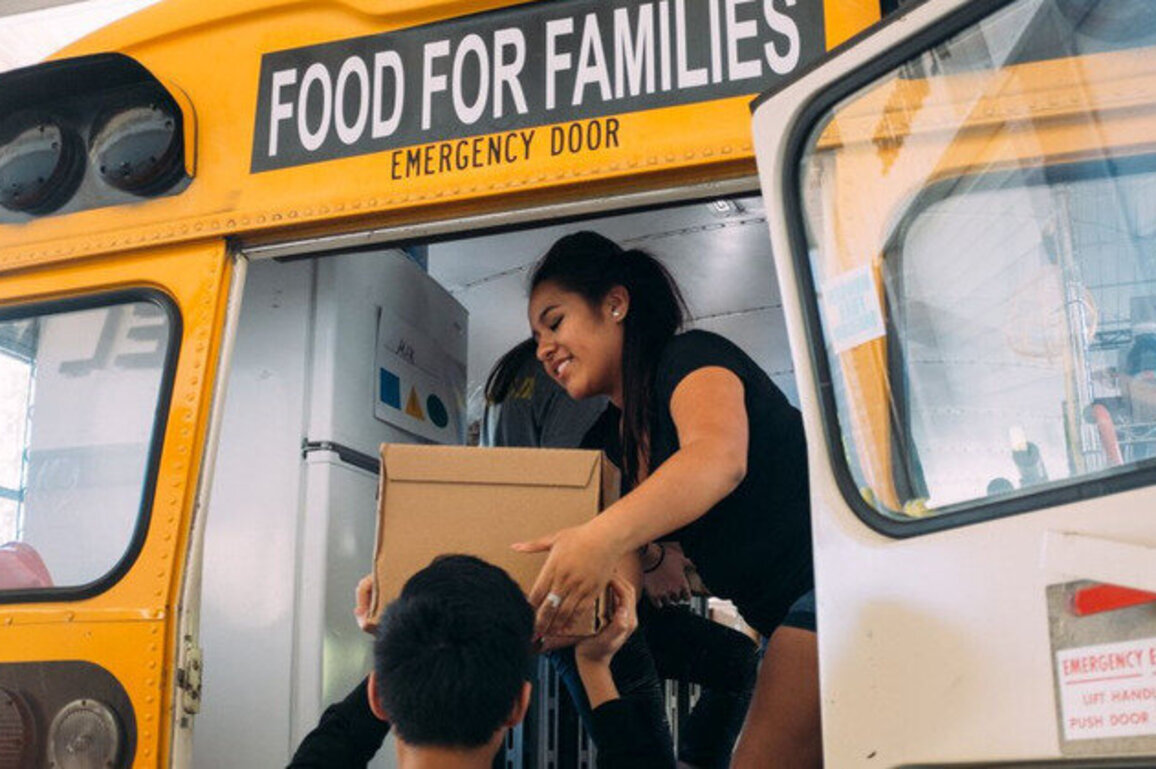
As costs rise for basic necessities, hunger advocates across Oregon are urging state leaders to prioritize funding for school food pantries.
Last year, the Oregon Food Bank network helped distribute more than 98 million meals to people in need, with 37 school sites included in the distribution network.
Rachel Lucille, communications strategist with the Oregon Food Bank, said state and local leaders are cutting or underfunding school food pantries at a time when demand is growing.
“This is a clear example of how hunger is a policy choice,” Lucille said. “We need them to focus on what we need, and schools prove time and time again that having school pantries works.”
Lucille said rural areas are among the hardest hit. In Malheur and Harney counties, 1 in 5 children face food insecurity, compared with a statewide average of 1 in 6 children.
Oregon also is navigating a budget shortfall driven in part by federal cuts to SNAP benefits and Medicaid. The state Department of Human Services received $110 million in emergency aid this legislative session, but that money is going toward higher administrative costs for SNAP.
Stephanie Herrera, outreach coordinator for the Oregon Child Development Coalition in Ontario in Malheur County, helps run a school pantry. She said families often begin lining up before the site opens, and the pantry can run out of food before everyone makes it through the line.
“Families are feeling the squeeze from multiple directions,” Herrera said. “I think the rising costs of groceries, gas, and rent just make it hard for families to make it by. And I see it because it’s consistent.”
Herrera said school pantries work in part because families already feel safe and welcome at schools. They also save families gas money by reducing the need for an extra trip to get food.
Source: Public News Service